



TÜRKİYE MULTISECTORAL NEEDS ASSESSMENT - “INVISIBLE LIVES, VISIBLE NEEDS”: HATAY & İZMİR
HIGHLIGHTS
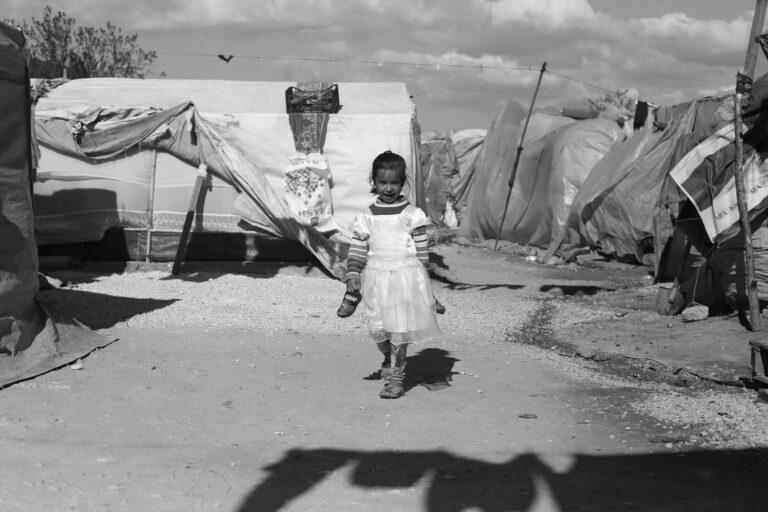
- Overcrowded shelter conditions pose risks of communicable diseases, security-related incidents, and sexual and/or gender-based violence.
- Barriers block access to healthcare: Long distances, lack of transport, language, and registration issues prevent timely care in both provinces.
- Psychological distress is rising: Anxiety, depression, and substance use are increasingly reported.
- Food insecurity is widespread.
- Economic constraints limit hygiene and water access.
- Out-of-school children remain a critical concern: Many Syrian children face transport, financial, and adaptation barriers to schooling.
- Protection interventions are urgently needed: Barriers to essential services and risks of sexual or gender-based violence require immediate action.
MAIN NEEDS
- Safe water, hygiene, and sanitation
- Shelter and living conditions
- Access to healthcare services
- Access to education
- Mental health support and protection
CONTEXT AND PURPOSE OF THE REPORT
Throughout June and July 2025, Dünya Doktorları (DDD)/Médecins du Monde (MdM) Türkiye conducted a Multisectoral Needs Assessment (MSNA) in two provinces of Türkiye: Hatay, which was severely affected by the February 2023 earthquakes, and İzmir, a key destination for refugee and migrant seasonal agricultural workers (SAWs).
The assessment aimed to better understand the humanitarian needs of vulnerable populations, particularly undocumented migrants and refugees, in both urban and rural settings. The findings are intended to inform ongoing and future humanitarian response and programming by DDD/MdM Türkiye and other humanitarian actors in Türkiye.
DATA COLLECTION METHODOLOGY AND DEMOGRAPHICS OF THE SAMPLE
The assessment relied on structured interviews with community members through a survey questionnaire, supported by qualitative approaches where necessary. The data collection tool assessed communities’ ability to meet their basic needs and access essential services, aiming to generate a comprehensive picture of multi-sectoral humanitarian needs and service gaps.
A total of 331 community members were interviewed (232 in Hatay and 99 in İzmir). The assessment focused on earthquake-affected communities in Hatay, including both host and Syrian populations, and on Syrian SAWs in the Torbalı district of İzmir.
Efforts were made to ensure gender balance: 36% of respondents were male (118) and 64% female (213). Age distribution was as follows: 18–34 (34%), 35–49 (38%), 50–65 (21%), and 65+ (6%).
The MSNA team also conducted key informant interviews (KIIs) with governmental and non-governmental stakeholders, including the District Public Health Directorate, National Education Directorate, and the District Governorate of Torbalı.