


MÉDECINS DU MONDE TÜRKİYE WARNS: “SYRIA’S POLITICAL TRANSITION CANNOT SUCCEED WITHOUT AN IMMEDIATE HUMANITARIAN SURGE”
TO READ THE POLICY BRIEF
Purpose and Audience
This advocacy statement is addressed to the international community – particularly donors, United Nations agencies, and humanitarian actors. It aims to highlight urgent humanitarian and health priorities during Syria’s current political transition and to call for immediate, coordinated, and adequately funded action to prevent further deterioration of living conditions.
Istanbul, 25 December 2025
Introduction: A Fragile Hope After the Political Transition
The political transition that took place in Syria in December 2024 has generated a renewed, cautious sense of optimism among Syrians who hope for stability, recovery, and a dignified future. After more than a decade of conflict, many hoped that this shift would pave the way for greater stability, improved access to essential services, and renewed prospects for rebuilding their lives. Yet, despite these aspirations, multisectoral needs assessments (MSNA) conducted by Dünya Doktorları (DDD) / Médecins du Monde (MdM) Türkiye across several governorates of the country reveal that humanitarian conditions continue to deteriorate, and in some areas are reaching critical levels, demonstrating a consistent pattern: households face growing hardship, collapsing essential services, and shrinking humanitarian coverage, with the health system under particularly acute stress.
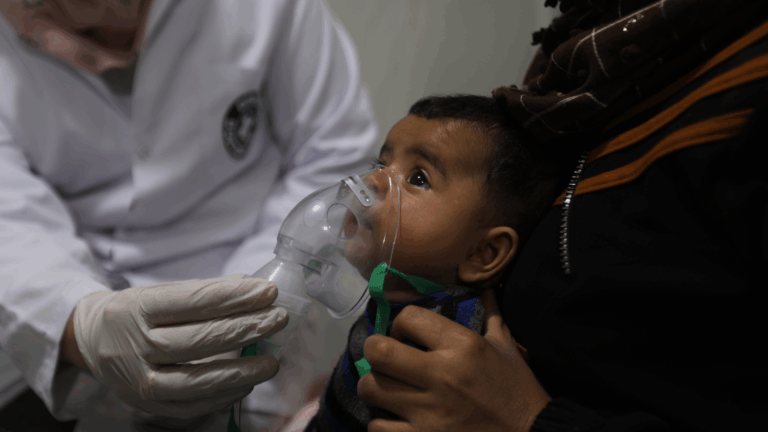
Already eroded by years of conflict, Syria’s health infrastructure is struggling under the added pressures of administrative fragmentation, supply-chain instability, and insufficient resources. Many health facilities are operating at partial capacity or have been forced to close; shortages of essential medicines, medical equipment, and trained health personnel are becoming increasingly widespread. Needs related to maternal and child health, communicable diseases, chronic disease management, mental health, nutrition, and emergency care are all rising sharply.
Across all governorates assessed, free healthcare is now largely available only through NGO-supported primary healthcare facilities, while public health centers operate with severe shortages and private-sector services remain unaffordable for many. Essential medicines, particularly for chronic diseases, are increasingly out of reach, with between 45% and 70% of households reporting no access to cost-free medication in several regions.
Simultaneously, spontaneous and pressured return movements are accelerating across the country. MdM International Network’s field studies indicate that a growing number of displaced Syrians plan to return within the next 6–12 months, often into areas where health infrastructure has been destroyed, medical personnel are scarce, and medicines are unavailable. Without parallel investment in health services, these returns will place unsustainable pressure on an already overloaded system, resulting in increased mortality, higher risk of outbreaks, and further systemic collapse.
The renewed sense of hope emerging under the new political order can only be transformed into tangible improvements if accompanied by urgent, coordinated, and adequately funded humanitarian and health interventions. Evidence from the field makes one point unmistakably clear: without decisive support from the international community, the crisis will continue to deepen, leaving millions without the basic healthcare and protection they need to survive.
Syria’s political transition has created a rare opportunity to address long-standing gaps in essential services. Yet our findings show that without urgent reinforcement of the health system, millions will continue to face preventable suffering. This moment requires decisive, coordinated action: strengthened primary healthcare, reliable access to medicines, and expanded protection and nutrition services. Working in partnership with Syrian authorities and communities, we call on the international community to step forward now, so that this transition delivers tangible improvements in people’s lives.
FOUNDING PRESIDENT OF DÜNYA DOKTORLARI/MÉDECINS DU MONDE TÜRKİYE
A Health System Under Extreme Pressure
Health system fragility is a nationwide reality. In the northwest, particularly Aleppo and Idlib, the needs assessments highlight overburdened primary healthcare centers, shortages of essential medicines, limited diagnostic capacity, and high dependency on humanitarian health services.
In central Syria, the assessments carried out in Hama and Homs illustrate the scale of collapse in healthcare: 15% of people cannot access any healthcare, while 62% access services only intermittently.
Essential diagnostic services remain largely unavailable: 64% lack access to X-rays, 52% to lab tests, and nearly half cannot access mental health services.
Medication scarcity affects all governorates. In Hama and Homs, 50% report no cost-free medication, while 16% cannot purchase prescribed medications at all. In Tartous and Latakia, nearly all families rely entirely on out-of-pocket medication purchases, further deepening household financial strain.
In Daraa, similar patterns emerge, with chronic disease patients reporting difficulty accessing insulin, cardiac medications, and essential drugs for hypertension and diabetes. In Tartous and Latakia, households overwhelmingly rely on private pharmacies due to gaps in public supply, with nearly all families purchasing medication out-of-pocket.
In northwest Syria, 70% of households report being unable to access free medications, and funding cuts have already forced health facility closures, reaching up to 65% in Afrin, located in Aleppo. These closures highlight a dangerous trend: the humanitarian health system is shrinking faster than needs are rising, pushing entire communities toward preventable illness and untreated chronic disease.
These findings indicate a national health landscape in which access is unequal, affordability is collapsing, and the absence of comprehensive public health financing is pushing households into further hardship.
Maternal and Child Health: A Silent Emergency
Maternal and newborn health indicators across all MSNA reports reveal critical gaps.
In Hama and Homs, 26% of pregnancies end in miscarriage or stillbirth, one of the most alarming findings across all assessments. Rates are similarly high elsewhere, including 32% in northern Syria and 23% in Daraa – figures incompatible with a functioning health system and indicating a nationwide reproductive health emergency.
Infant health is also at risk: despite high vaccination coverage, 30% of infants in central Syria did not receive any medical check in the past year. Breastfeeding is common, yet 46% of mothers face feeding difficulties, often due to milk insufficiency or unaffordable substitutes.
Coastal regions show similar vulnerabilities: two-thirds of new mothers receive no postnatal care, placing newborns at high risk.
Without strengthened obstetric and neonatal care systems, improved nutrition services, and consistent follow-up, maternal and child mortality will remain unacceptably high.
Nutrition and Food Security: Worsening Conditions for Children
Food insecurity affects households across all governorates.
In Hama and Homs, 35% of households lacked food or money for food in the past week, and 69% of households with young children report insufficient food quantities. Diet diversity is especially poor for children under five.
In Tartous and Latakia, households report decreased meal frequency and rapidly rising food costs, forcing families to rely on loans and social networks. Across the northwest, displacement conditions further limit access to diverse and nutritious food.
Access to therapeutic nutrition services is inadequate nationwide: only 8% of households can access Ready-to-use Therapeutic Foods (RUTF) and 34% Ready-to-use Supplementary Food (RUSF). The coverage of food assistance remains extremely low, as just 3% of households in central Syria received food kits or cash support.
These findings reveal a nutrition environment that endangers children under five, pregnant women, and the chronically ill. Without scaled assistance, the risk of acute malnutrition will intensify, particularly in high-density displacement areas.
Mental Health and Psychosocial Well-Being: A Nationwide Emergency
Across the country, psychological distress continues to be widespread.
In Hama and Homs, 56% report psychological distress, while in coastal regions, more than half of adults experience anxiety, insomnia, or depressive symptoms. Yet access to professional mental health support is exceedingly rare: fewer than 5% accessed any form of psychosocial assistance in central Syria, and similar trends appear in all other areas assessed.
In northern Syria, 66% of adults report psychological distress, while individuals in the region cannot access professional support as a result of near-total absence of mental health services.
Communities overwhelmingly rely on family and social networks rather than mental health professionals. Limited awareness, cost barriers, stigma, and a lack of services all contribute to extremely low help-seeking.
Conflict trauma, displacement, economic hardship, and uncertainty surrounding the political transition contribute to these conditions. Without expanded community-based mental health and psychosocial support (MHPSS) services, the long-term mental health burden will deepen.
Humanitarian Access, Aid Coverage, and Barriers to Return
Humanitarian aid coverage is declining sharply.
In central Syria, only 3% of households report receiving any food kits or cash assistance. In Tartous and Latakia, 95% receive no humanitarian aid at all, indicating that governorates traditionally perceived as “less affected” are now experiencing growing unmet needs.
In Daraa, only 7% of households report receiving recent humanitarian assistance, while in northern Syrian urban areas, assessments found almost no food or livelihoods support. Cuts in humanitarian funding are directly contributing to rising morbidity, mortality, and instability across all regions.
Protection services are nearly absent across all regions.
Return intentions remain mixed: while 37% of displaced households in Hama and Homs express a desire to return, security concerns (62%), financial barriers (54%), destroyed housing (64%), and lack of services impede safe and voluntary return. The political transition has generated hope but has not resolved the structural barriers that determine whether families can rebuild their lives.
Health Workforce Drain and Skill Gaps Require Urgent Action
Across the assessed governorates, communities consistently report a lack of medical specialists, dependence on private practitioners, poorly equipped facilities, and major gaps in diagnostics, including labs, X-ray, ultrasound, and emergency units. MHPSS capacity remains especially limited.
Rebuilding Syria’s health system requires an immediate strategy to strengthen the health workforce, including enabling the return or remote participation of qualified Syrian professionals abroad, upgrading the skills of current health workers through targeted training, rehabilitating facilities, and restoring supply chains for essential medicines.
Conclusion: “Political Transition Alone Will Not Resolve Humanitarian Needs of People of Syria”
Through its direct presence in health centers across Syria and its 2025 multisectoral needs assessments, Dünya Doktorları (DDD)/Médecins du Monde (MdM) Türkiye bears witness to a reality that is impossible to ignore on the ground: although the political transition has revived hopes and raised expectations for a better future among the people of Syria, the daily realities documented across the country reveal that living and humanitarian conditions continue to grow more challenging. Health systems are collapsing, essential services are out of reach, food insecurity is worsening, maternal and child health indicators are deteriorating, and mental health distress is widespread. Meanwhile, humanitarian assistance is declining even as needs escalate.
To prevent further deterioration and to ensure that the political transition leads to meaningful improvements in people’s lives, the international community must take urgent action.
- · DDD/MdM Türkiye calls on donors, UN agencies, and humanitarian partners to rebuild and adequately resource primary healthcare across Syria, ensuring equitable and free access to essential medicines, diagnostics, and life-saving services. Strengthening the health system is fundamental to preventing avoidable morbidity and mortality in the current phase of the political transition.
- · We further call for immediate expansion of maternal and newborn health services, including emergency obstetric care, skilled birth attendance, and comprehensive postnatal follow-up. Elevated rates of pregnancy loss and gaps in newborn care underline the need for urgent, targeted investment.
- · DDD/MdM Türkiye urges donors to scale up food and nutrition assistance, with a particular focus on young children, pregnant and breastfeeding women, and food-insecure households. Rising malnutrition risks across multiple governorates require both emergency support and community-based preventive programs.
- · We call for the expansion of community-based MHPSS to address widespread psychological distress. Integrating MHPSS into primary health care and strengthening referral pathways are critical steps toward long-term recovery and resilience.
- · To ensure equitable support for all communities, DDD/MdM Türkiye calls for renewed commitments to restore humanitarian access and operational capacity across underserved and previously underserved governorates, where aid coverage remains critically low.
- · Finally, we urge donors to invest in livelihoods, shelter rehabilitation, and frameworks that support safe, voluntary, and dignified return. Sustainable recovery cannot take place without restoring economic security, adequate housing, and essential services.
Syria’s political transition stands as a historic turning point, a rare opening in which the promise of stability, recovery, and renewed dignity finally feels within reach. Yet this moment will falter unless met with unwavering humanitarian resolve. Without sustained, flexible, and forceful humanitarian action from the international community, today’s unmet needs will deepen into tomorrow’s crises, eroding the very foundations of safety, dignity, and the just future Syrians have waited far too long to claim.
REFERENCES
- Dünya Doktorları/Médecins du Monde Türkiye (2025) “Multisectoral Needs Assessment: Syria After the New Order: Quo Vadis? – IV”, November 2025. Retrieved from: https://dd.zeisoft.com/en/publication/multisectoral-needs-assessmentsyria-after-the-new-order-quo-vadis-ivnovember-2025/
- Dünya Doktorları/Médecins du Monde Türkiye (2025) “Multisectoral Needs Assessment: Syria After the New Order: Quo Vadis? – III”, October 2025. Retrieved from: https://dd.zeisoft.com/en/publication/multisectoral-needs-assessmentsyria-after-the-new-order-quo-vadis-iiioctober-2025/
- Dünya Doktorları/Médecins du Monde Türkiye (2025) “Multisectoral Needs Assessment: Syria After the New Order: Quo Vadis? – II”, September 2025. Retrieved from: https://dd.zeisoft.com/en/publication/multisectoral-needs-assessment-syria-after-the-new-order-quo-vadis-ii-september-2025/
- Dünya Doktorları/Médecins du Monde Türkiye (2025) “Multisectoral Needs Assessment: Syria After the New Order: Quo Vadis? – I”, June 2025. Retrieved from: https://dd.zeisoft.com/en/publication/multi-sectoral-needs-assessment-syria-after-the-new-order-quo-vadis-i-june-2025/
- Dünya Doktorları/Médecins du Monde Türkiye (2025) “Intentions of IDPs in Northwest Syria to Return to Their Hometowns”, February 2025. Retrieved from: https://dd.zeisoft.com/en/publication/needs-assessment-intentions-of-idps-in-northwest-syria-to-return-to-their-hometowns/
Press Contact
- Onurhan Pehlivanoğlu Senior Communication Officer, Dünya Doktorları/Médecins du Monde Türkiye onurhan.pehlivanoglu@dunyadoktorlari.org.tr // +90 533 379 18 24