


MULTISECTORAL NEEDS ASSESSMENT- III:
DARAA (OCTOBER 2025)
MULTISECTORAL NEEDS ASSESSMENT - III: DARAA (OCTOBER 2025)
HIGHLIGHTS FOR DARAA GOVERNORATE
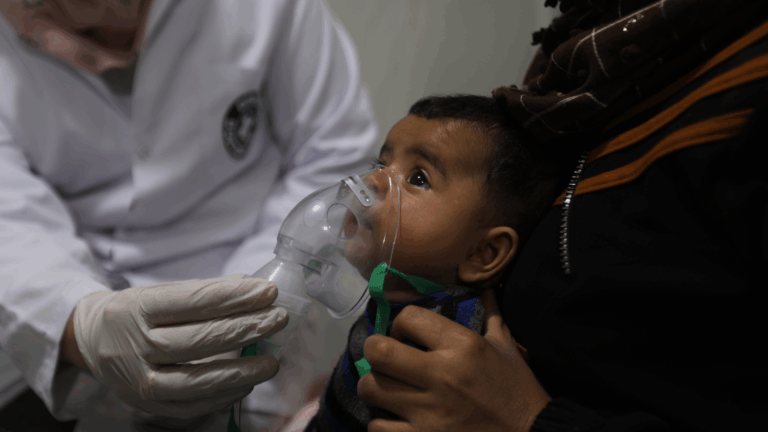
- HEALTH SYSTEM ON THE BRINK: Only 19% of households consistently access the needed care; 66% manage only sometimes, and 15% cannot access care at all. Drug stock‑outs and diagnostic unavailability force harmful compromises, with 45% reporting they never receive prescribed medicines for free.
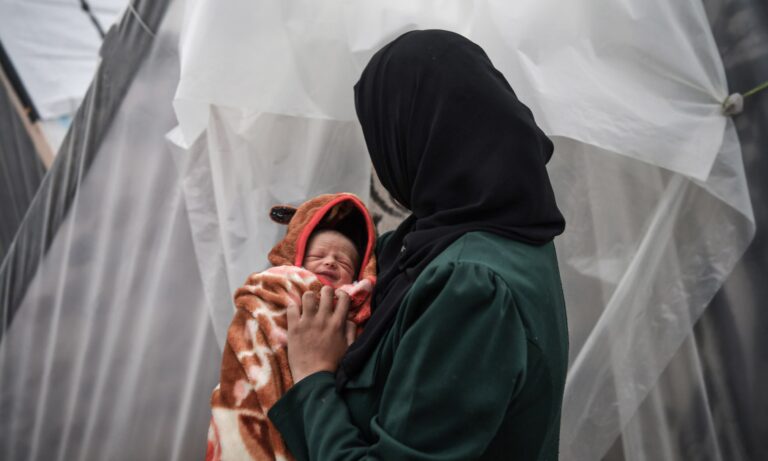
- MOTHERS AND NEWBORNS AT RISK: Despite 64% antenatal coverage, postnatal care reaches just 26% of recent births. Nearly one in four households (23%) reported a pregnancy loss—an alarming signal of unmet obstetric and neonatal needs.
- INFANT FEEDING IN CRISIS: 86% of infants receive breastfeeding, yet 34% of mothers report feeding difficulties—mainly insufficient breastmilk and unaffordable substitutes. About 72% of households with 12-36‑month‑olds cannot regularly provide baby foods or supplements.
- MENTAL HEALTH IN EMERGENCY MODE: 51% experienced anxiety, low mood, or insomnia in the last three months; formal support is rare (≈1–3%). Communities lean on family networks while service availability and awareness remain minimal.
- EDUCATION DEPENDS ON FAMILY’S WEALTH: 83% report full attendance for school‑aged children, but child labor (36%), economic hardship (28%) and lack of schools or lack of space in the schools (23%) are major, rising barriers—risking permanent learning loss and protection concerns.
- AID COVERAGE IS LOW WHILE NEEDS DEEPEN: Only 7–12% received any assistance in recent months. One in four households lacked sufficient food or money in the last week and 45% routinely buy essentials on credit, signaling escalating debt and economic fragility.
- DIARRHEAL DISEASE AND WASH RISKS PERSIST: 31% report diarrhea in the last 30 days, yet only 37% sought care, of which 34% are reasoned to food poisoning and 13% to the poor hygiene level of the drinking water—indicating both service barriers and preventable exposure to unsafe water and food.