



Needs and early response towards internally displaced people in Hatay Province in the aftermath of the 2023 earthquake in Türkiye
SUMMARY
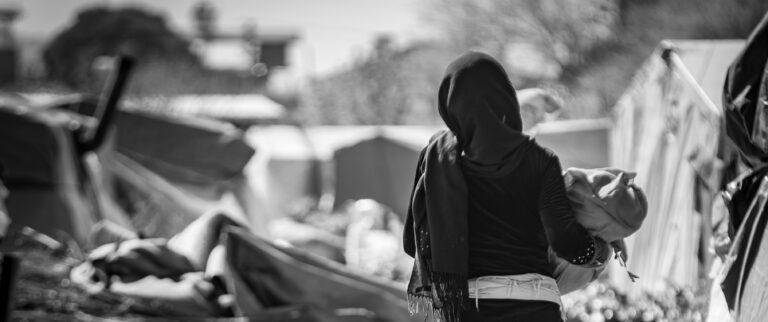
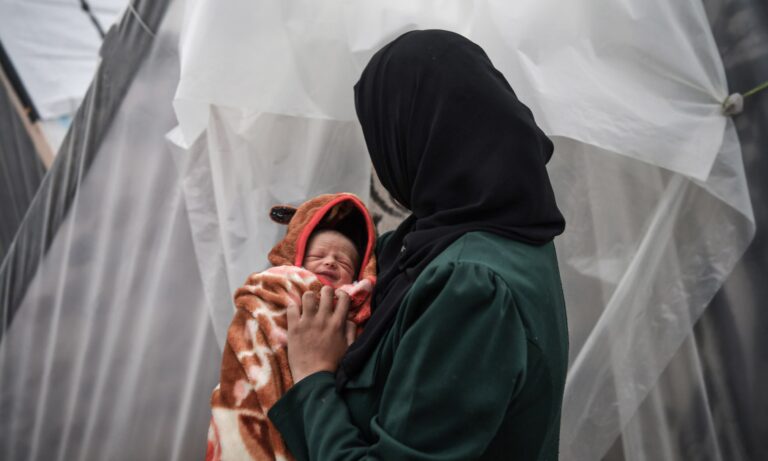
On 6 February 2023, a major earthquake struck Hatay Province, Türkiye. The immediate rescue and trauma response phase began. Yet, as the disaster moved into the intermediate phase (days to weeks after), the need for primary health-care support for internally displaced populations became critical.
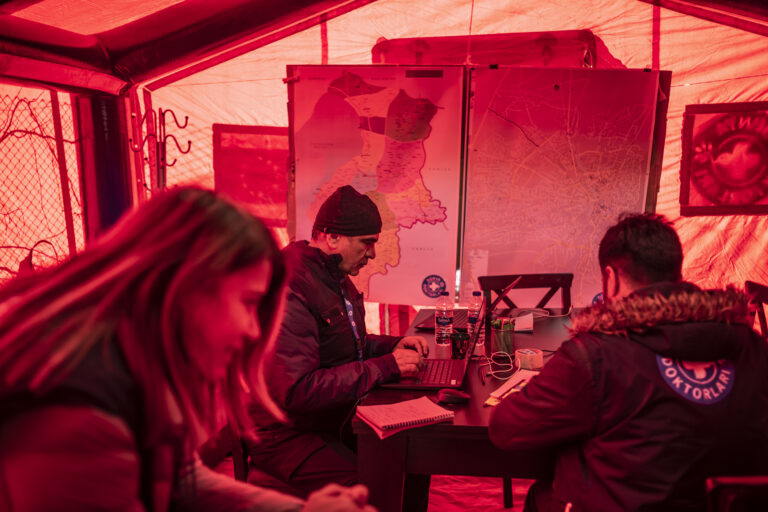
This study, carried out by Dünya Doktorları/Médecins du Monde Türkiye in Hatay, describes both a rapid needs assessment and mobile primary health-care outreach to displaced and hosting communities in rural and mountainous settings between 16 February and 6 April 2023.
Key findings include:
-
Assessment of 42 sites revealed that two-thirds of locations suffered substantial building damage (≥25 % of buildings uninhabitable) and many hosting communities were receiving large influxes of displaced people.
-
In many sites, health-care services were either absent or irregular: nearly one in five sites had no health service at all, and many had only occasional external visits.
-
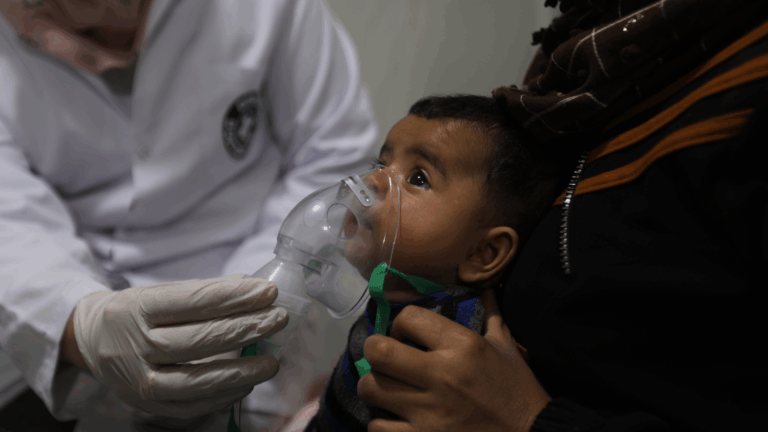
Mobile medical units conducted 3,027 consultations in 36 locations during the study period. Of these patients: 61 % were female, 66.9 % were of Turkish origin, 33.1 % Syrian background; 41.3 % were under age 18.
-
Clinical presentations varied by age:
-
Among children, upper respiratory infections were most common; scabies and lice infestations (ectoparasites) were also prominent.
-
Among older adults (age 65+), chronic non-communicable diseases (hypertension & diabetes) accounted for nearly a third of consultations.
-
-
Most patients (89.1 %) received medications directly; only a small number (1.5 %) required referral for further care.
CONCLUSIONS AND IMPLICATIONS
-
In the intermediate response phase after a mass-displacement disaster, delivering primary health-care becomes a central humanitarian need—especially in informal shelters, rural hosting communities, and remote locations.
-
Overcrowded shelters, cold and humid conditions, disrupted infrastructure and sanitation contribute to respiratory infection clusters and skin/ectoparasite outbreaks (such as scabies) among displaced people.
-
Hosting communities in rural or mountainous areas are at risk of being overlooked; they often face sudden population spikes, overwhelmed infrastructure and limited access to care.
-
Humanitarian actors must be prepared with: mobile teams, stock of medications, tools for digital data collection (for rapid needs assessment and operational monitoring), and capacity to reach remote/dispersed populations.
-
Data collection (even under difficult conditions) is essential for identifying service gaps and informing humanitarian response.
WHY THIS IS RELEVANT TO OUR WORK?
-
As Dünya Doktorları/Médecins du Monde Türkiye, we are directly engaged in crisis- and displacement-affected settings; the article underscores the types of health-care needs we encounter in the after-shock phase of disasters (e.g., in Hatay).
-
The findings highlight the importance of shifting quickly from emergency trauma/surgical care to primary health-care and support for hosting communities—something we are well-positioned to deliver given our operational footprint and experience.
-
The emphasis on reaching rural, dispersed, mobile and hosting populations aligns with our strategy to fill gaps where large camps or urban centres may receive more attention.
-
The use of mobile medical units, digital data collection and a multi-disciplinary team model (doctor, nurse/midwife, psychologist, case-worker, translator) reflects the kind of integrated, flexible approach our organisation uses or should continue to develop.
-
The article shows that even post-acute phase, disasters require sustained, context-adapted health-care support (not just “first week” interventions). This supports the message in our advocacy and internal planning: that resilience, preparedness, and intermediate/long-term services are crucial.